





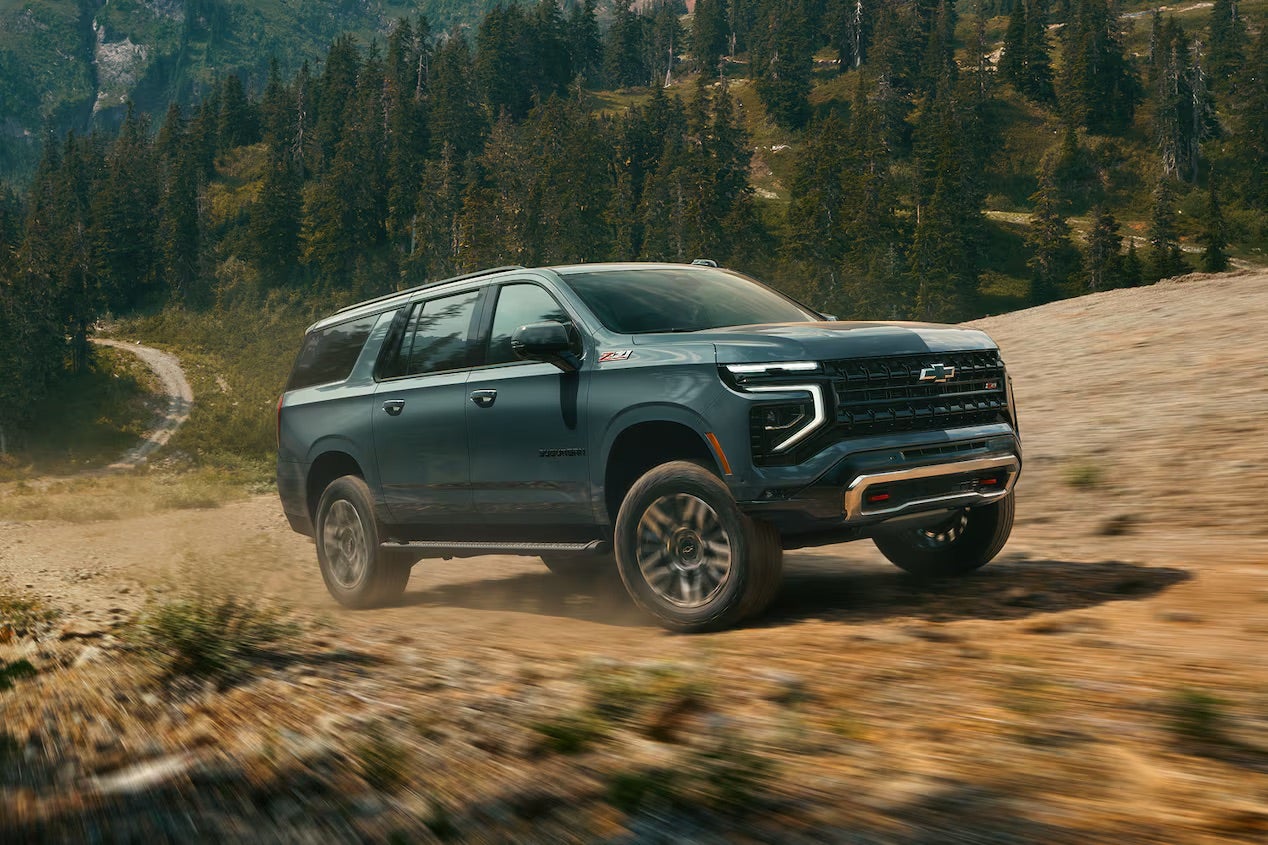
Financing vs. Leasing a New Chevrolet
Deciding between financing vs. leasing is one of the first choices you will make when shopping for a new Chevrolet, and there is no single right answer. Financing puts you on a path to owning the vehicle outright. Leasing gives you use of a new vehicle for a set term, often at a lower monthly payment than financing the same model.
Below is a clear look at how each option works, what each one does well, and the questions worth answering before you sign. If you would rather talk it through, the finance team at Cable Dahmer Chevrolet of Independence can walk you through real numbers on the vehicle you have in mind.
Apply for Financing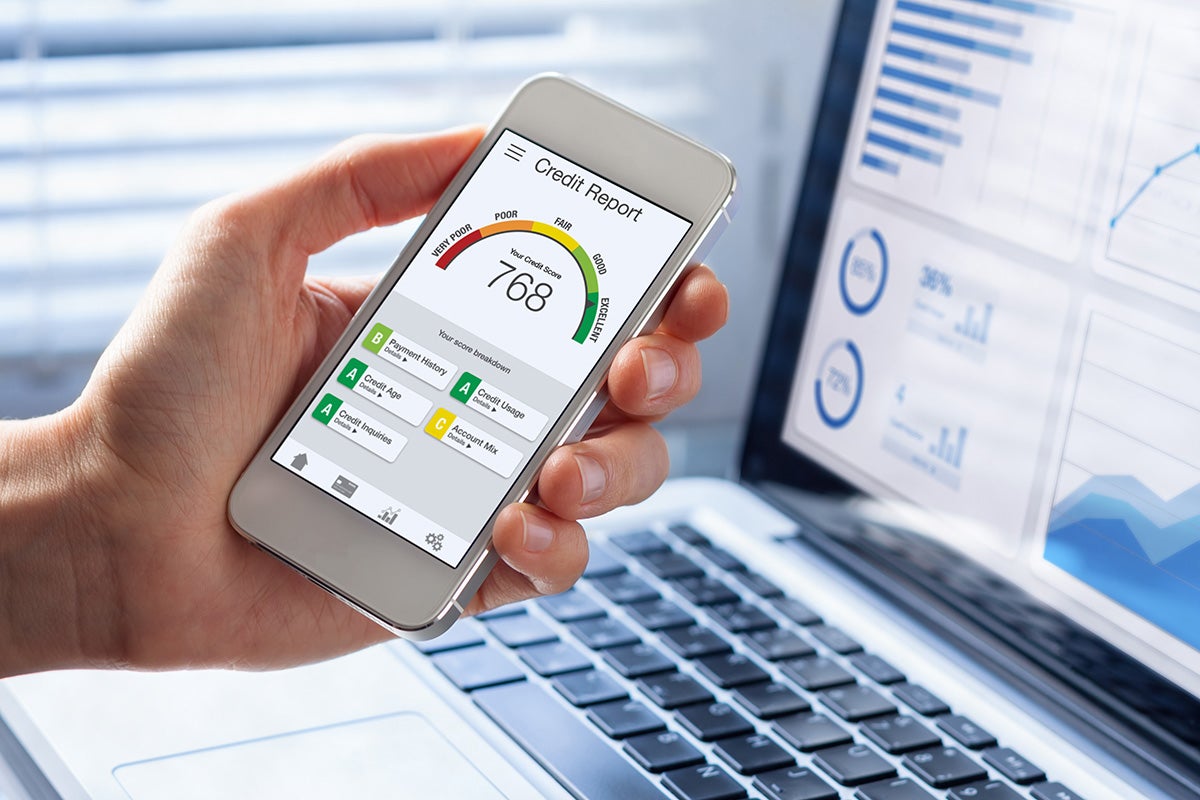
How Financing Works
When you finance a vehicle, you borrow the purchase price and repay it in monthly installments over a set term, usually somewhere between 36 and 72 months. Part of each payment goes toward interest and part goes toward the balance. Once the loan is paid off, the vehicle is yours.
Your payment is shaped by four things: the price of the vehicle, your down payment or trade equity, the length of the term, and the interest rate you qualify for. A shorter term raises the monthly payment but lowers the total interest you pay. A longer term does the opposite.
There are no mileage limits and no return conditions to meet. You can keep driving it long after the loan is paid off.
Benefits of Financing
Financing tends to make the most sense for drivers who keep their vehicles a long time and want full control over how they use them.
You End Up Owning the Vehicle
Every payment builds equity in something you keep. When the loan is paid off, the payments stop and you still have a vehicle with real trade or resale value behind it.
No Mileage Restrictions
Drive as much as you want. This matters for long commutes, frequent road trips, and work trucks that put on miles quickly.
Freedom to Sell or Trade Anytime
You are not locked into a return date. If your needs change, you can trade the vehicle in or sell it at any point, applying any equity above your loan balance toward what comes next.
Lower Long-Term Cost
If you plan to hold a vehicle well past the loan term, financing is usually the less expensive path over the years. Keeping a paid-off vehicle for two or three more years spreads the cost much further than starting a new agreement every few years.
How Leasing Works
A lease is an agreement to use a new vehicle for a fixed term, commonly 24 to 39 months, with an annual mileage allowance built into the contract. Instead of paying off the full price, you are covering the vehicle's expected depreciation across that term plus finance charges.
Because you are paying for a portion of the vehicle's value rather than all of it, the monthly payment on a lease is often lower than financing the same model over a similar term. That is the main reason leasing appeals to shoppers who want a new vehicle but are working within a set monthly budget.
At the end of the term you have options. You can return the vehicle and lease something new, buy it at the price set in your contract, or trade out of it. Mileage overages and excess wear are billed at the end, so the allowance is worth matching to how you actually drive.
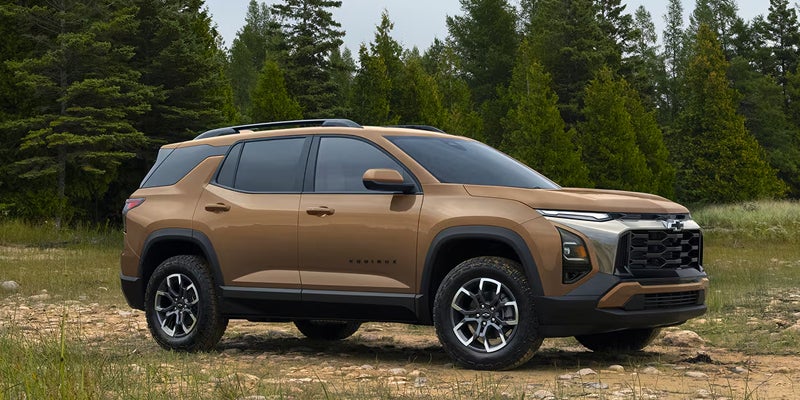
Benefits of Leasing
Leasing fits drivers who like having a newer vehicle, drive predictable miles, and want to keep the monthly payment lower.
A Potentially Lower Monthly Payment
This is the benefit most shoppers ask about first. Leasing can suit people who want a new vehicle but are looking for a potentially lower monthly payment than financing the same model would require, since the payment covers depreciation over the term rather than the full purchase price. The exact difference depends on the model, the term, the mileage allowance, and the offer in place when you sign.
New Chevrolet Models
Shorter terms mean you can step into a new Chevrolet every few years, with current safety technology, infotainment, and design updates each time.
Coverage Through the Term
Most lease terms fall inside the factory warranty period, so unexpected repair costs are less of a concern while you have the vehicle. Routine maintenance is still your responsibility.
Simple Lease Return Options
You know your options and your end date from the day you sign. If you return the vehicle in good condition and within your mileage allowance, you hand back the keys and decide what you want next without negotiating a resale.
Room for More Vehicle in the Same Budget
Because the payment structure is different, a lease can sometimes put a higher trim or a larger model within the payment you had in mind. Our team can price both ways so you can see the comparison for yourself.
Financing vs. Leasing at a Glance
Here is how the two options compare on the points that usually decide it.
| Financing | Leasing | |
|---|---|---|
| Monthly payment | Higher, since you are paying off the full price | Often lower, since you pay for depreciation during the term |
| Ownership | The vehicle is yours once the loan is paid off | Return, buy, or trade at the end of the term |
| Typical term | 36 to 72 months | 24 to 39 months |
| Mileage | No limits | Set annual allowance, with charges for going over |
| Customization | Modify the vehicle however you like | Must be returned close to original condition |
| Warranty coverage | Covered early on, then repair costs are yours | Terms generally fall inside the factory warranty period |
| Vehicles available | New and used inventory | New inventory, with offers varying by model |
| Best for | Drivers keeping a vehicle long term or putting on high miles | Drivers who want a new vehicle and a potentially lower monthly payment |
Which Option Fits Your Situation?
Start with two questions: how long do you want to keep the vehicle, and how many miles do you drive in a year? If the answer is a long time and a lot of miles, financing usually comes out ahead. If you like driving something new every few years and your mileage is predictable, leasing is worth pricing out.
Your down payment and trade also matter. Equity in your current vehicle can reduce the amount you finance or lower the amount due at lease signing, and you can get an estimate on that before you visit.
The most useful next step is seeing both sets of numbers on the same vehicle. Our finance team can quote a finance payment and a lease payment side by side, explain what is included in each, and let you decide with the full picture in front of you.
Get Started Online
A few minutes online ahead of time makes the visit shorter and the numbers clearer.
Frequently Asked Questions
Is leasing cheaper than financing?
The monthly payment on a lease is often lower than financing the same vehicle, because you are paying for depreciation over the term instead of the full purchase price. Over many years, though, financing and keeping the vehicle after it is paid off usually costs less in total.
Can I buy the vehicle at the end of a lease?
Yes. Lease agreements include a purchase option with the price set in the contract. If you decide you want to keep the vehicle, you can buy it outright or finance the remaining amount.
What happens if I go over my lease mileage?
You are charged a per-mile fee for the miles beyond your allowance when the lease ends. If you expect to drive more than a standard allowance covers, ask about a higher mileage lease up front, since that is usually less expensive than paying overage charges later.
Can I trade in my current vehicle toward a lease?
Yes. Trade equity can be applied toward the amount due at lease signing, the same way it can reduce the amount you finance on a purchase.
Do I need good credit to lease a vehicle?
Credit is a factor in both leasing and financing approvals, and lease programs are often more sensitive to it. Credit history is not the only factor, though, so it is worth talking with our finance team about which lenders and terms fit your situation before assuming one option is closed to you.
Finance or Lease at Cable Dahmer Chevrolet of Independence
Cable Dahmer Chevrolet of Independence serves drivers throughout Independence, Blue Springs, Lee's Summit, and Kansas City. Our finance center handles purchases, lease agreements, and trade payoffs in one place, with numbers you can review before you sign anything.
Our team will go through the terms line by line, explain how any current offer affects your payment, and answer questions without pressure. You can reach the sales department at 816-945-8805 or contact us online with questions at any point.

See Both Payments Side by Side
Tell us the vehicle you are considering and our finance team will price it as a purchase and as a lease, so you can compare the two before you decide.